A visual tool that carries into the home
Short answer
Ways therapists use Tandli
- Task-analysed daily-living-skills activities
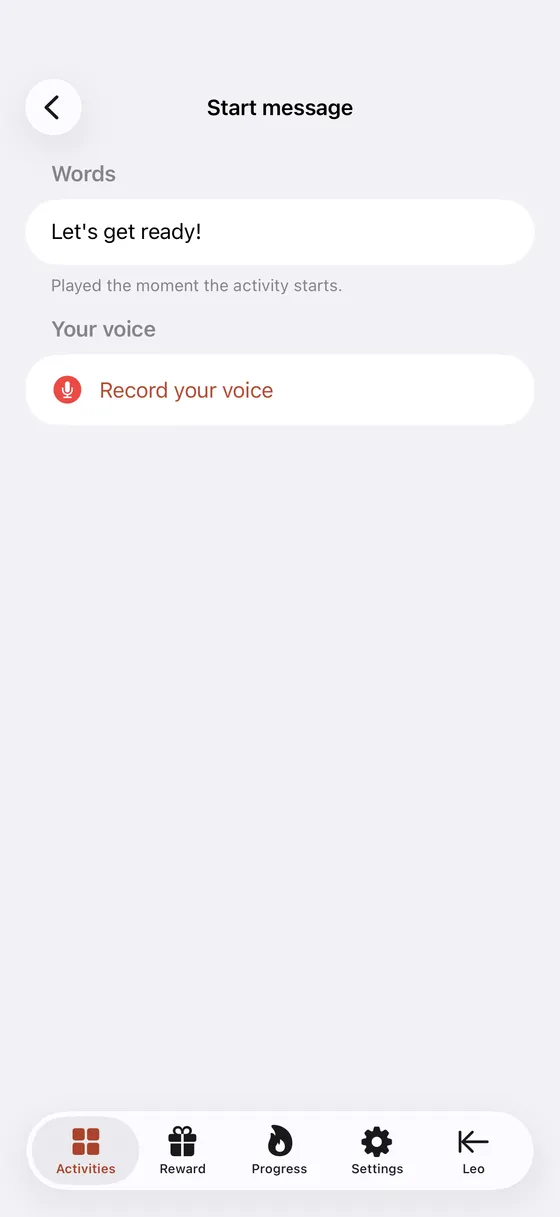
- Recordable prompts you can tailor to each client
- Carryover into the home between sessions
- First-then and visual-schedule strategies
- Counting and pacing support built in
- A calm, low-sensory presentation
Grounded in familiar strategies
Tandli operationalises approaches you already use: task analysis, visual schedules, first-then, and token-based reinforcement — in one calm, low-sensory app.
Consistency between session and home
Skills generalise when the routine looks and sounds the same everywhere. Because a parent records prompts in their own voice, the plan you build travels home with the family. See Tandli for parents.
Tandli is an educational support tool, not a medical device or a substitute for professional diagnosis or therapy.
Frequently asked questions
Is Tandli suitable for speech and OT practice?
Tandli supports the visual-schedule, first-then, and task-analysis strategies SLPs and OTs commonly use for daily-living skills and routines. It’s an educational support tool, not a diagnostic or treatment device.
Can families continue the work at home?
Yes — a parent records the same steps in their own voice, so the structure you set in session carries over consistently at home.
Can I tailor activities per client?
Yes. Build activities from scratch or adapt the ready-made, task-analysed templates, adjusting steps, prompts, counts, and pacing.
Using Tandli with clients?
Download Tandli free on the App Store — we’re planning options for clinicians and would love your input.
Free download · 14-day free trial · iPhone, iOS 26 or later